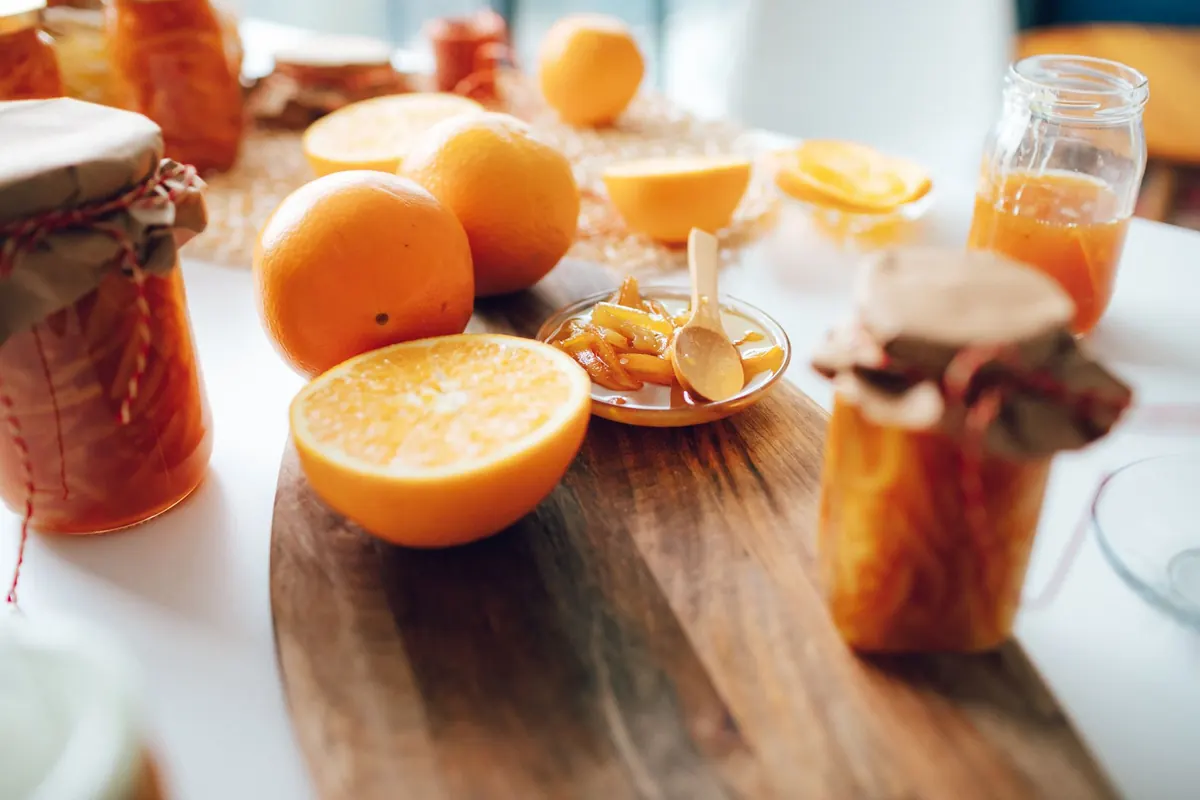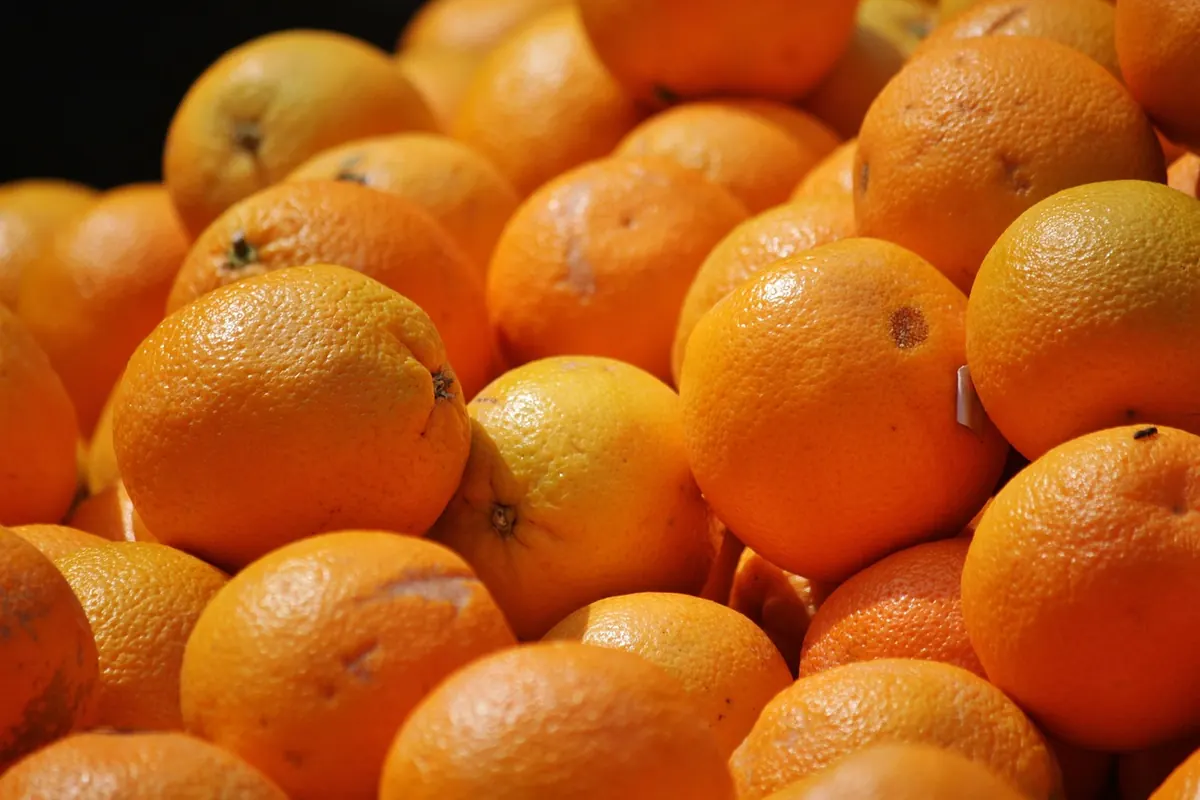
Seville oranges land in crates for three or four weeks in the middle of winter, then vanish. Kumquats arrive while the tangerines are still around and disappear by spring. Blood oranges flare briefly and fade before the blossom shows. You can make marmalade on impulse — buy whatever looks good, shred it, boil it, jar it — and eat perfectly well. But when you plan around the citrus calendar, you spend less time coaxing a set out of fruit that was never going to give you one, and more time matching fruit to method.
What follows is a walk through the year for shoppers and growers in the northern hemisphere. South of the equator, shift everything six months; the fruit and the reasoning stay the same.
Why Season Matters More Than Your Recipe
Three things move with the calendar: pectin, acid, and the aromatic oils in the peel.
Pectin and acid are highest early in a fruit's season. A Seville orange picked in the first week of the run will set faster than one from the bottom of the crate in March. The same is true of lemons, grapefruits, and kumquats. Late-season fruit is often sweeter and juicier, which is lovely for eating and slightly annoying for preserving: you may need a longer boil, a little lemon juice, or a handful of shredded peel from something tarter.
Peel oils are the other clock. Zest smells like the orchard for a few weeks after picking and gradually dulls in cold storage. If your marmalade tastes flat despite a decent set, the fruit is usually the reason. Buy firm, heavy citrus with tight skin and no soft patches; heavy fruit means juice, and juice means flavour. Thin-skinned lemons give you more zest per pound, which is exactly what you want when the peel is the point.
January and February: The Seville Window
This is the heart of the marmalade year. Seville oranges — bitter, seedy, thick-skinned, packed with pectin — are in season for a short stretch, sometimes from late December, usually finishing by early March. Buy more than you need. They freeze beautifully whole, and a bag in the freezer in July is worth more than any recipe trick.
Blood oranges (Moro, Tarocco, Sanguinello) overlap with Seville season and give you something softer and more floral. They're lower in pectin, so pair them with lemon peel or a spoonful of lemon juice to help the set. Meyer lemons are also at their peak: thin-skinned, fragrant, and low in pectin. Grate the zest, use every scrap of peel, and add a high-pectin partner rather than boiling the life out of them.
A few habits worth keeping this month:
- Shred peel and soak it overnight with the juice and water — this softens the shred and tames some bitterness.
- For a milder jar, simmer the shredded peel once or twice in fresh water and discard the water before the main boil.
- Tie seeds and pith in a muslin bag and boil it with the fruit; that's where a lot of the pectin lives.
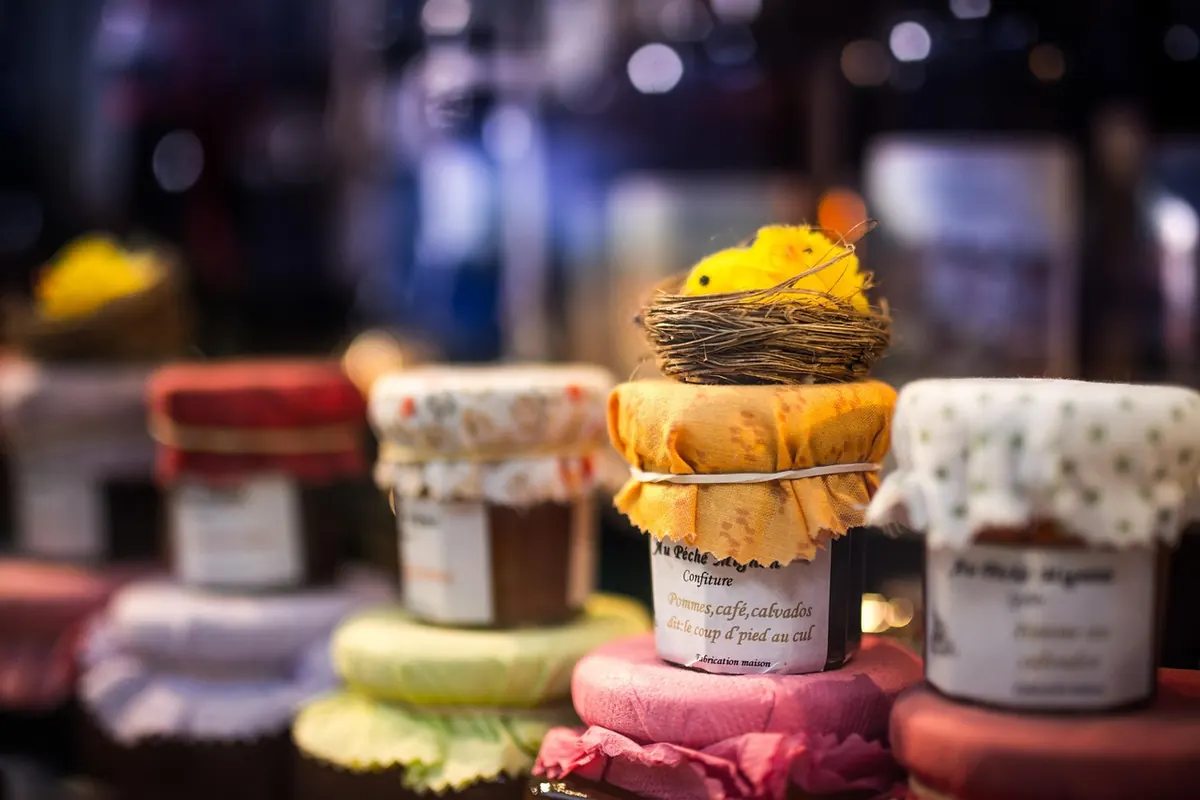
- Label jars with the fruit and the date, not just the year. January Seville and March Seville behave differently on the shelf.
Good pairings now: Seville with ginger, blood orange with rosemary, Meyer lemon with vanilla.
March and April: Lemons, Limes, and the Tail of the Blood Oranges
Lemons are the reliable backbone of the preserving year, and Eureka and Lisbon trees crop for months on end. A straight lemon marmalade — fine shred, plenty of sugar, nothing else — is one of the great underrated jars. So is a three-fruit marmalade built on lemon, orange, and grapefruit peel left over from breakfast.
Limes need a lighter hand. Shred them very finely, use a recipe with a generous sugar ratio, and cook in small batches so the colour stays green rather than sliding toward khaki. Lime and lemon together, with a little grated zest added at the end of cooking, keeps the top notes bright.
Blood oranges finish here. If you see the last of them going soft on a market stall, buy them cheap and make a small batch rather than waiting for better fruit that isn't coming.
May through July: Grapefruit, Kumquats, and Lighter Jars
Pink and ruby grapefruit are still around in early summer in many markets, and they make a marmalade that surprises people who think they don't like the stuff: bitter, rosy, and excellent with a little fresh ginger. Grapefruit sets moderately well on its own; add lemon peel if you're nervous.
Kumquats are the sleeper of the citrus calendar. The whole fruit is edible, peel and all, so there's no pith to fight and nothing to waste. Slice them thinly, flick out the seeds, and cook them with sugar and a little water — they're naturally high in pectin and set obligingly. A spoonful stirred into a glaze for roast duck or a plain yogurt is a fine argument for making twice as much as you planned.
Valencia oranges start arriving as the navels fade, and they're better for juice than for peel. If a batch of marmalade comes out too soft, a pint of fresh Valencia juice reduced with the sugar will bring it around.
August and September: The Lean Months
In the northern hemisphere, citrus gets thin. Lemons hang on, Valencia oranges linger, and everything else is imported. This is when the freezer earns its space.
Frozen Seville peel, thawed and shredded, makes a perfectly good January-style marmalade in August. Frozen juice, frozen zest, even whole frozen kumquats all work; freeze in the portions you'll actually use, not one giant brick. It's also the season for preserved lemons, which need nothing but salt, lemon juice, and four to six weeks in a jar — start them now and they'll be ready when autumn cooking begins.
If you want to keep the citrus thread running through summer, make curd with frozen juice and candied peel with peel you saved in spring. Both take an afternoon and transform a plain cake.
October to December: Tangerines, Kumquats, and Next Year's List
Clementines and satsumas fill the shops from late autumn. They're sweet, low in pectin, and best treated as a soft-set preserve or blended with lemon to firm things up. Segments cook down quickly, so keep the batches small and watch the pan.
Kumquats return. The first Sevilles often appear in the final days of December, which is your cue to clear freezer space, check your sugar supply, and wash the jars you'll need in a fortnight. Make a note of what you ran out of this year and what you never got around to opening — that's a more useful shopping list than any calendar.
A Month-by-Month Quick Reference
- January–February: Seville oranges, blood oranges, Meyer lemons, cara cara, first mandarins.
- March–April: lemons, limes, the end of blood oranges, grapefruit.
- May–July: grapefruit, kumquats, Valencia oranges, limes.
- August–September: lemons, Valencia oranges, frozen peel and juice from winter.
- October–December: clementines, satsumas, kumquats, early Seville oranges.
Keeping a Marmalade Year on the Shelf
Sterilise jars properly, fill them hot, and seal while the contents are still steaming. Store the results somewhere cool and dark, and keep a note of the fruit and date on each lid so you know what you're opening in eighteen months.
Test for set with a chilled saucer rather than guessing: a spoonful dropped on the cold plate should wrinkle when you push it with a finger. If it stays liquid, boil another few minutes and test again. Don't cut the sugar in a recipe that relies on it for both set and keeping quality — if you want a lower-sugar preserve, follow a tested recipe written for that purpose and store the jars in the fridge once opened.
The point of all this planning is small and pleasant: a shelf that reads like a year. Bitter January, floral March, rosy June, sweet December. Open the right jar at the right moment and the calendar does half the work for you.
Photo: cocoparisienne / Pixabay