Whiskey Marmalade: How to Add Spirits Without Ruining the Set
The first whiskey marmalade most people make tastes like a good idea that got away. The whiskey goes in with the fruit, the kitchen smells extraordinary for twenty minutes, and by the time the jars are cool you have orange syrup with a rumour of bourbon in it.
Two things went wrong, and both are easy to plan around. Whiskey brings water and alcohol into a pot that is trying to hit a precise balance, and it brings them early, when you need them least.
Why Whiskey Fights the Set
Marmalade sets because pectin, sugar, acid and water reach an agreement. Whiskey interrupts the negotiation. A 40% spirit is roughly 60% water, and that water thins the sugar concentration your pectin needs to build a gel. The ethanol does its own damage by getting in the way of the pectin chains linking into a network. A tablespoon or two is a flavouring. A quarter cup poured in carelessly is a gamble.
Think of the pectin network as a scaffold. Sugar and acid help the rods connect; water keeps them mobile enough to find each other but not so mobile that they never settle. Ethanol changes that chemistry, making it harder for the rods to lock together. It is not that whiskey is poison to marmalade. It is that whiskey is a solvent, a dilutant and a flavour all at once, and the first two jobs work against you.
Heat makes it worse. Ethanol boils at about 78°C, well below the 104–105°C you need for a set. Add whiskey at the start of the cook and you are paying for aromatics that leave through the extractor fan, leaving behind the water and a faint ghost of the barrel.
So the whiskey goes in late, and the base gets cooked a little firmer than usual to make room for it. That is the whole trick. The rest is detail.
Pick the Bottle Before You Pick the Amount
Whiskey is not one flavour, and the difference shows in the jar. What the spirit brings:
- Bourbon — vanilla, caramel, a little corn sweetness. Made for Seville orange, and kind to a mixed citrus marmalade that leans sweet.
- Rye — pepper and spice, drier finish. Grapefruit and lemon marmalades take it beautifully.
- Irish pot still — soft, fruity, slightly oily. Good when you don't want one flavour shouting over the peel.
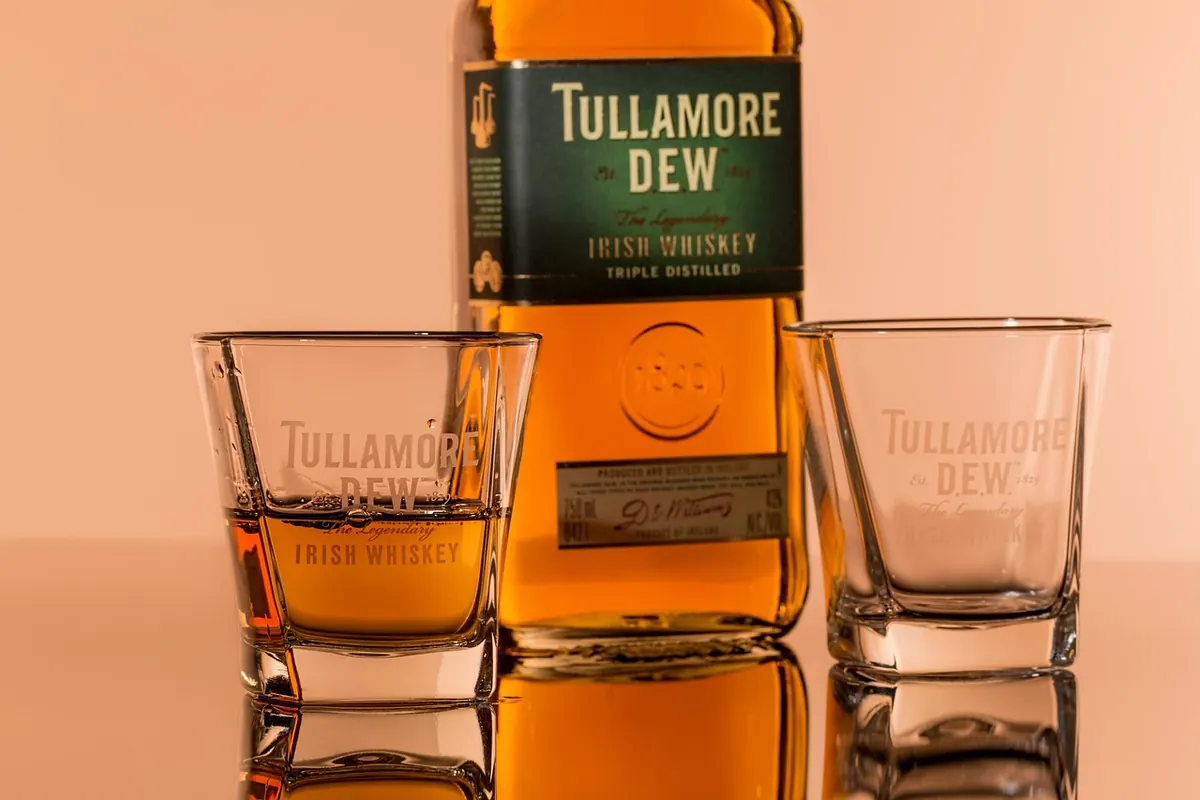
- Peated Islay or other heavily smoky whisky — tar, smoke, iodine. Powerful against bitter Seville peel. Use half your usual amount and add a spoonful of extra sugar to round it out.
- Avoid — cream liqueurs, which have no place in a shelf-stable jar; flavoured spirits loaded with sugar and additives, which throw off your sugar balance; and anything too expensive to drink neat, because much of what you are paying for evaporates.
Cask-strength whiskey needs a slightly different approach. It contains more ethanol and less water, so it can interfere with the set more aggressively per tablespoon. Treat it as a concentrate: start with about one-third less than you would use for a 40% bottle, then adjust the next batch. Flavoured whiskeys, honey whiskeys and cinnamon whiskeys are usually sweetened, so reduce the sugar in your base by a tablespoon or two if you insist on using them. Better still, use a plain spirit and add your own vanilla, orange zest or spice.
A Blueprint That Sets
Treat this as a method rather than a fixed recipe. The two numbers that matter are the whiskey and the pectin.
- Build a firm base. Use Seville oranges, or sweet oranges with two lemons and one grated apple for pectin. Simmer the shredded peel in water until it is completely tender — forty minutes to an hour and a half, depending on how you cut it and how wide your pan is.
- Add sugar and acid. Roughly equal weight of sugar to cooked fruit mixture gives a classic set; add one to two tablespoons of lemon juice per kilogram. Stir over low heat until every grain has dissolved before you allow a boil.
- Boil past your usual setting point. Take it to 105–106°C at sea level, skimming as you go. Subtract about 1°C for every 300 m of altitude. You are overshooting on purpose to leave room for the whiskey.
- Pull the pan off the heat. Stir in the whiskey — 60–100 ml for a batch made from 1.2–1.5 kg of fruit is a sensible starting range — along with any liquid pectin.
- Boil hard for exactly one minute if you are using liquid pectin. No longer, or you will drive off the very aromatics you just paid for. If you are not using liquid pectin, stir the whiskey in off the heat, let the pan sit for two minutes, then skim and jar. The set will be slightly softer, but the whiskey will be brighter.
- Test the set. Put a small spoonful on a cold plate, wait a minute, and push it with your finger. If it wrinkles, it is ready. If it runs, you can return the pan to the heat for another minute, but every extra minute costs you whiskey flavour. A loose set is better than a boiled-off one.
- Jar and process. Ladle into hot, sterilised jars, leaving 5 mm of headspace. Wipe the rims, seal, and process in a water bath for 10 minutes. Label with the date and the whiskey you used.
One rule matters more than any other: do not add whiskey to a base that has not already shown you it can set. The whiskey is a finishing note, not a structural ingredient. If the mixture is thin before the spirit goes in, it will be thinner after.
How Much Whiskey, Exactly?
The honest answer is that it depends on the whiskey, the fruit and your tolerance for booze. But you need a starting point, so use these ratios by volume for a 40% spirit:
- Subtle: 40–50 ml per 1 kg prepared fruit. You notice a warmth and a barrel note, but the orange is still the headline.
- Noticeable: 60–80 ml per 1 kg. The whiskey is part of the story. Good for cheese boards and gifts.
- Bold: 80–100 ml per 1 kg. The spirit is a co-star. Increase your pectin slightly or reduce any other added liquid, and keep the jars in the fridge after opening.
If you can taste the whiskey before you taste the orange, you have added too much. The whiskey should be a shadow behind the peel, not a shot with jam on the side.
Remember that whiskey flavour mellows in the jar. A marmalade that tastes aggressive on the day you make it may be perfect after two weeks. Taste again before you decide to adjust the next batch. If you want more aroma without more water, add a teaspoon of whiskey to a jar once it is opened and stirred, rather than increasing the amount in the preserving pan.
For a starting point, try Seville orange with 60 ml bourbon and half a split vanilla pod. The vanilla rounds the bitterness and makes the caramel in the bourbon sing. Grapefruit with 50 ml rye and a generous pinch of cracked black pepper is another excellent pairing; the spice in the rye echoes the pepper and cuts the grapefruit's sharpness. Lemon with 40 ml Irish pot still and a few sprigs of thyme, steeped in the base for ten minutes and removed before the spirit goes in, makes a gentler, more savoury marmalade.
Troubleshooting: Syrup, Set, and Spirits
It Won't Set
This is almost always too much whiskey, too little pectin, or an under-boiled base. Reboiling will help the set but will evaporate alcohol. If you must rescue it, return the pan to a hard boil with an extra tablespoon of lemon juice and a sachet of liquid pectin, then jar again. Next time, cook the base firmer and add the whiskey later.
It Set Too Firm
You overshot the temperature or used too much pectin. You can reheat the marmalade with a splash of orange juice or water to loosen it, but you will dilute the flavour. A very firm whiskey marmalade is excellent warmed and spooned over roast ham, duck or vanilla ice cream, so do not consider it a failure.
The Whiskey Disappeared
You added it early, boiled it too long, or used too little. Once the jars are open, you can stir a small teaspoon of whiskey into a jar and keep it in the fridge. For a shelf-stable version, accept that the spirit will be a background note and add it at the very last moment next time.
It Tastes Harsh or Bitter
Heavily peated whiskey, too much spirit or not enough sugar can all tip a batch into medicine territory. Let it mellow for two to four weeks before judging it. If it is still harsh, use it as a glaze or stir it into a hot toddy rather than eating it straight from the spoon.
It Fermented or Molded
Whiskey adds water, and water can lower the shelf stability of a preserve if the balance is already marginal. Process your jars properly, use enough sugar and acid, and refrigerate any batch that contains more than 100 ml of whiskey per kilogram of fruit. Alcohol is not a substitute for safe canning.
Add the spirit late, keep the base firm, and taste before you commit. Do that, and you get a marmalade that sets cleanly and still smells like the good part of the bottle.
Photo: stevepb / Pixabay